
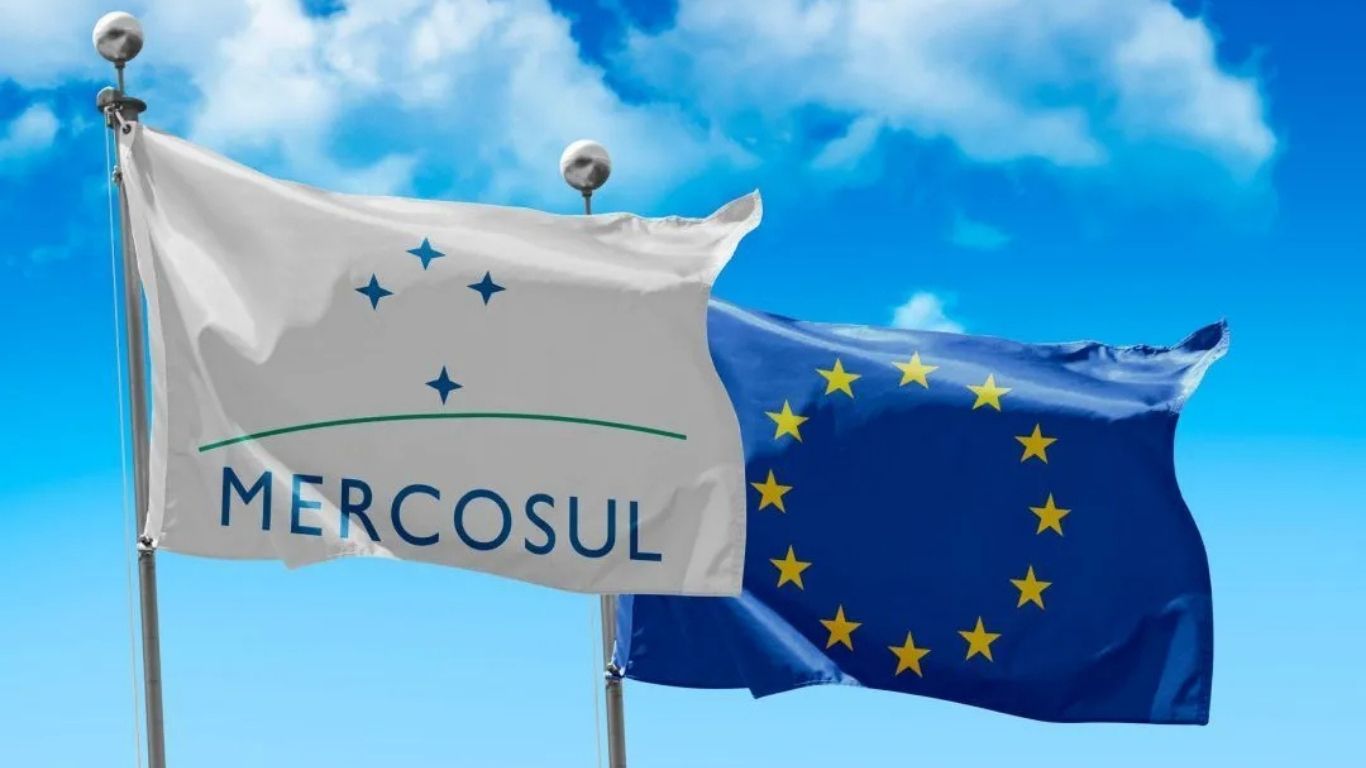
By Brazil Stock Guide – Brazil has recorded the first trade operations using tariff quotas under the Mercosur-European Union agreement, which entered into force on May 1, 2026, the Ministry of Development, Industry, Trade and Services said.
By May 10, Brazil’s Foreign Trade Secretariat had approved eight export licenses and six import licenses for products covered by the quota mechanism.
The export licenses include fresh beef, frozen beef, boneless poultry meat and cachaça. Boneless poultry and cachaça will enter the European Union at zero tariff within the quotas established by the agreement.
Beef now has two preferential access channels into the European market. The existing Hilton Quota, which previously applied a 20% tariff on premium Brazilian beef cuts, has been reduced to zero under the agreement.
The deal also created a new 99,000-tonne quota shared by Mercosur countries. Before the agreement, beef exports outside the Hilton Quota were subject to a 12.8% tariff plus €304.10 per 100 kilograms. Under the new quota, the intra-quota tariff falls to 7.5%.
On the import side, the approved licenses cover chocolates, tomatoes and cheeses from the European Union. For cheese, the preferential tariff has been reduced from 28% to 25.2%. For tomatoes and chocolate, tariff reductions will be phased in from 2027.
The operations were enabled by regulations issued by Brazil’s Foreign Trade Secretariat on May 1, which set the procedures for using tariff quotas in bilateral trade between Mercosur and the European Union.
According to the ministry, most trade between the two blocs is already subject to tariff reduction or elimination without quantitative restrictions. More than 5,000 tariff lines, equivalent to 54.3% of the tariff universe, now enter the European Union at zero tariff. In Mercosur, 1,152 tariff lines, or 11% of the total, also have zero tariffs for European products.
Products subject to tariff quotas account for a smaller share of bilateral trade — about 4% of Brazilian exports and 0.3% of imports. In those cases, companies must follow specific licensing and certification procedures through Brazil’s Single Foreign Trade Portal.
The first approvals mark the initial practical stage of implementation of the Mercosur-EU agreement after years of negotiations. For Brazil, the early benefits are concentrated in beef, poultry and spirits. For the European Union, the first operations involve processed foods, tomatoes and dairy products.




Leave a Reply