

By Brazil Stock Guide – Brazil’s drug pricing regulator has authorized pharmaceutical companies to raise medicine prices by up to 3.81% starting March 31, 2026, according to a resolution published in the Diário Oficial da União. The adjustment, set by the Câmara de Regulação do Mercado de Medicamentos (CMED), establishes three tiers of price increases — 3.81%, 2.47% and 1.13% — depending on market segmentation criteria.
The cap comes at a time of persistent cost pressures across the healthcare supply chain, including currency volatility, imported input costs and logistics. Still, the authorized increases remain relatively modest, suggesting a continued regulatory effort to anchor drug inflation below broader price dynamics. The adjustment is based on the Preço Fábrica (PF), the maximum price manufacturers can charge before retail markups and taxes.
Regulatory anchor
The annual CMED adjustment is a key mechanism in Brazil’s pharmaceutical pricing model, designed to balance affordability with industry sustainability. Companies are not required to apply the full increase, but cannot exceed the ceiling. To qualify, firms must submit detailed commercialization reports to the regulator — a requirement that reinforces data transparency but also tightens compliance risk.
Failure to submit or inconsistencies in reporting can trigger sanctions under Brazil’s drug pricing law. The rule also extends to importers, requiring disclosure of volumes and revenues by product presentation.
Margins under pressure
For pharmaceutical companies, the adjustment may not fully offset cost inflation. Input prices — many of them dollar-linked — have remained volatile, while distribution and retail margins face increasing scrutiny. In practice, this compresses industry profitability unless companies rely on mix improvements, portfolio rotation or operational efficiencies.
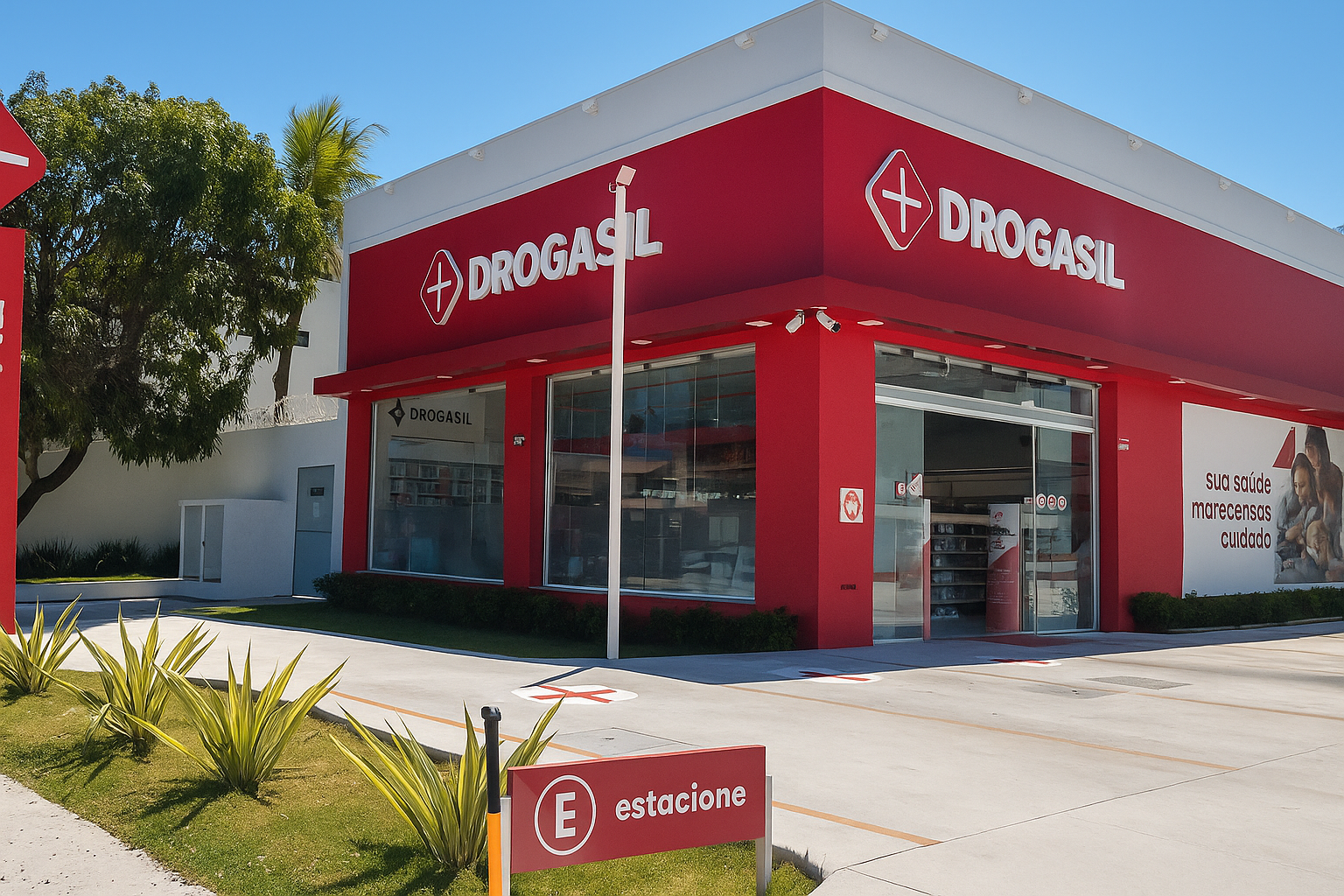
Retailers, meanwhile, must adhere to the Preço Máximo ao Consumidor (PMC), which varies by state due to different ICMS tax rates. Pharmacies are required to publicly disclose updated price lists and cannot charge above the official ceiling.
Investor implications
The resolution reinforces Brazil’s structurally regulated pricing environment, where revenue growth is partly capped by policy rather than market dynamics. For listed healthcare players — including distributors, pharmacy chains and diagnostics groups — the signal is clear: pricing power remains limited, and earnings expansion will depend more on volume growth, consolidation and cost discipline than on price.
At the same time, the relatively low adjustment bands may help contain healthcare inflation, easing pressure on insurers and potentially improving claims ratios — a key variable for companies exposed to medical cost trends.




Leave a Reply