
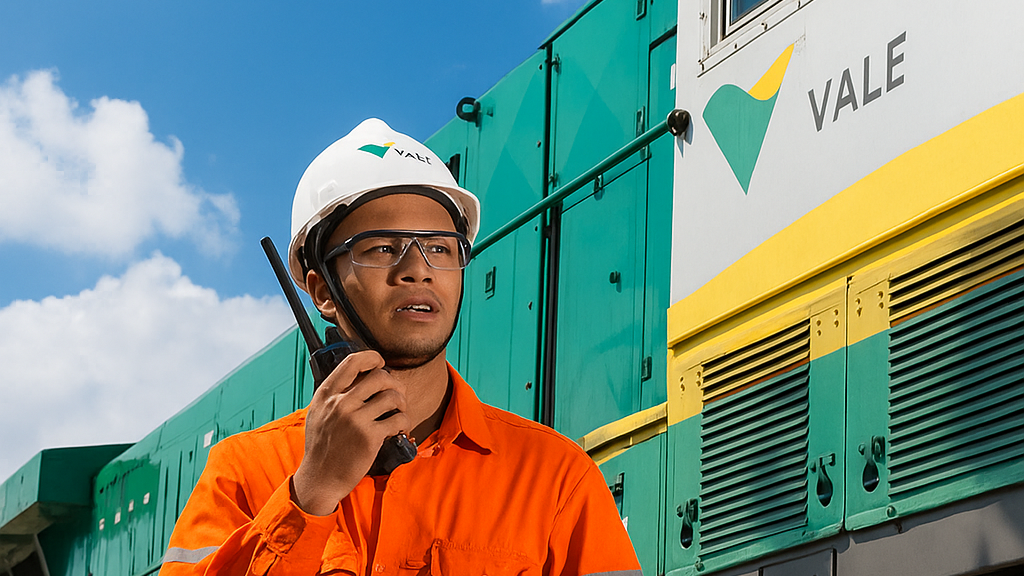

By Brazil Stock Guide – Vale SA (B3: VALE3; NYSE: VALE) hinted it may announce extraordinary dividends in the coming months, following a strong third-quarter performance marked by robust cash generation, higher margins, and improved cost control. CFO Marcelo Bacci said the combination of stable iron ore prices — averaging above US$100 per ton — and consistent operational results provides a favorable backdrop for additional shareholder distributions.
“The company’s stability and the resilience of the market create room for extraordinary dividends,” Bacci told analysts, noting that the final decision will depend on the conclusion of the participating debenture buyback and Vale’s free cash flow performance in Q4.
In the quarter, pro forma EBITDA reached US$4.4 billion, up 17% year-on-year, supported by solid results across iron ore, copper, and nickel. Recurring free cash flow climbed to US$1.6 billion, a US$1 billion increase from the previous year, while total free cash flow reached US$2.6 billion, boosted by proceeds from the Aliança Energia divestment.
Expanded net debt fell by US$800 million to US$16.6 billion, as Vale maintained strong deleveraging while returning US$1.5 billion to shareholders via interest on capital (JCP).
Dividend Tax and Capital Structure
Asked about the potential 10% dividend tax proposed in Brazil, Bacci said the immediate impact on Vale would be limited since the company can continue distributing cash through JCP. “The effect would be minimal in the short term,” he said, adding that Vale would adjust its payout structure if the final legislation creates opportunities for tax optimization.
The CFO ruled out any near-term changes to the company’s expanded net debt target range of US$10–20 billion, though he acknowledged that the indicator may be revised as reparation-related commitments decline through 2027.
Margins and Product Premiums
Vale’s profitability was lifted by stronger premiums and improved product mix. Iron ore EBITDA was close to US$4 billion, with sales up 5% year-on-year and logistics costs down. Commercial VP Rogério Nogueira said the company’s portfolio optimization added US$2–3 per ton in realized prices, driven by the SSCJ blend, a mid-grade Carajás product that reached 30 million tons in sales with premiums above standard 62% FE indexes.
“We’re expanding our global blending footprint — in Sohar, Europe, and Malaysia — reducing logistics costs and gaining flexibility,” Nogueira said, highlighting Vale’s 20 blending and concentration hubs worldwide.
Base Metals: Copper Growth and Cost Efficiency
Vale Base Metals CEO Sean Asmar told analysts the company tripled drilling activity in Pará this year and is 14% ahead of schedule at the Bacaba copper project, designed to cut capital intensity and speed up construction. “We’ve redesigned our long-term business plan to do more with the same capital,” he said.
The company reported a 65% drop in copper all-in costs and a 32% reduction in nickel costs, driven by operational efficiency and higher by-product revenues from gold and PGMs. The Onça Puma second furnace began operations in September, 13% under budget, adding 15,000 tons of annual capacity and cutting unit costs by around 10%.
“We’re funding growth through internal cash flow. The results in copper and nickel show that this strategy is working,” Asmar noted.
Samarco, China, and Long-Term Value
CEO Gustavo Pimenta said Samarco is ramping up production with two concentrators in operation and plans for a third, which could lift output to 28 million tons in the coming years. He called it “premature” to reverse provisions related to the Renova Foundation but said the asset has regained strategic importance for Vale.
On China, Nogueira said Vale maintains “constructive and ongoing discussions” with the China Mineral Resources Group (CMRG). “We’ve developed ships, blends, and port logistics together for decades. We’re seeking win-win solutions with our Chinese partners,” he said.
Pimenta closed the call reaffirming Vale’s focus on long-term value creation.
“We still see significant upside potential. Vale doesn’t need M&A to grow — we have the resources, the discipline, and the time to build sustainable value,” he said.


Leave a Reply