
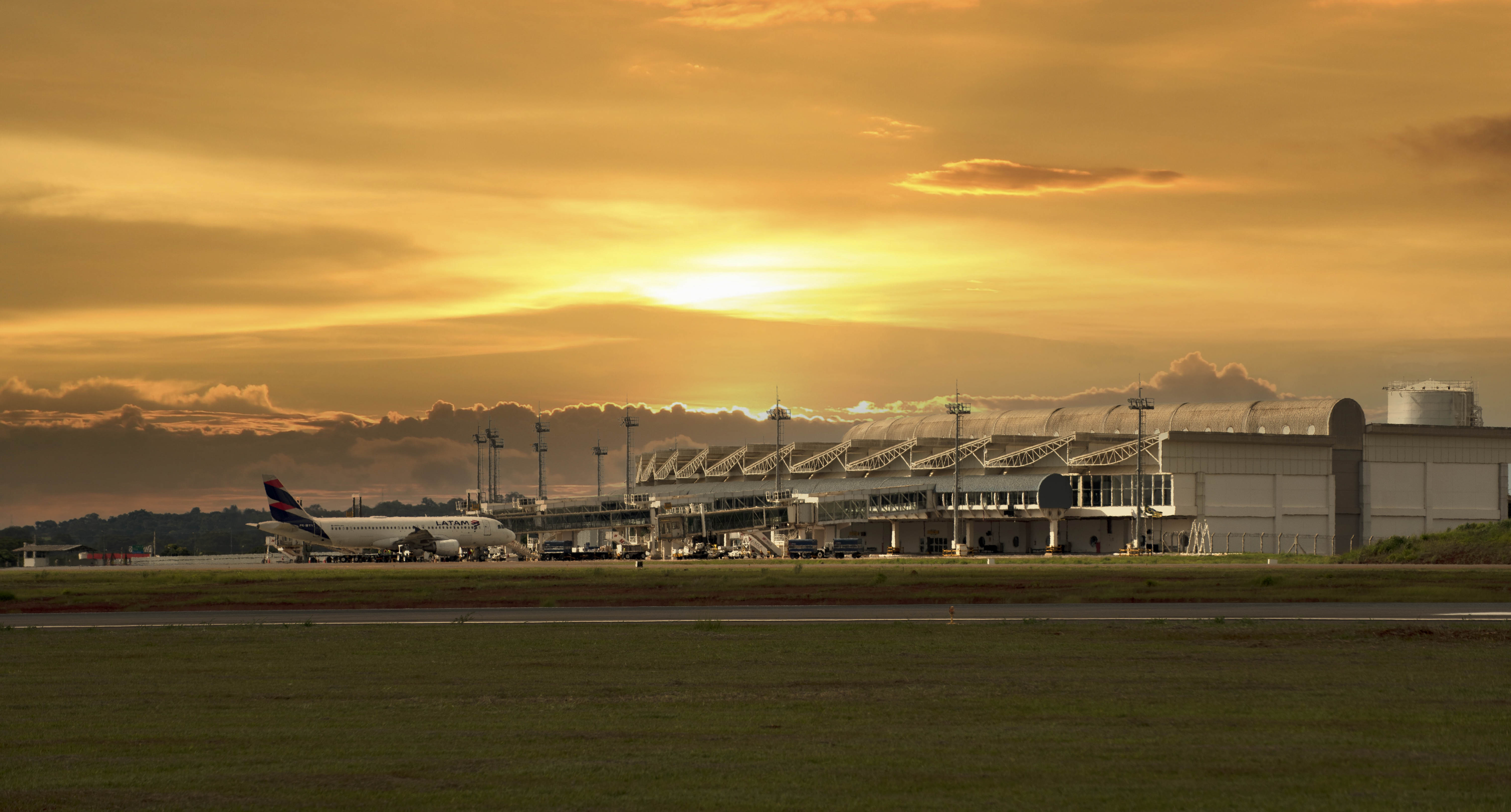

By Brazil Stock Guide – Motiva Infraestrutura (B3: MOTI3) reaffirmed that the sale of its airport division remains on track to close by December 31, 2025, marking one of Brazil’s largest infrastructure divestments this year. Speaking during the Q&A session with analysts after third-quarter results, CEO Miguel Setas said the transaction — now in the binding offer stage — underscores Motiva’s focus on portfolio optimization, debt reduction, and capital redeployment into core mobility assets.
“The expectation of completing the airport transaction by year-end remains preserved,” Setas said. He added that the company’s next step will be to create a mobility platform with an international partner, with signing expected in 2026 and closing in 2027.
Motiva aims to raise between R$5 billion and R$10 billion through a combination of full and partial asset sales, including the airports platform, minority stakes in mobility operations, and mature concessions no longer considered strategic.
“This is the right time to crystallize value and reposition the portfolio for a new phase of profitable, sustainable growth,” Setas told investors. He emphasized that capital allocation discipline remains non-negotiable, citing Motiva’s conservative approach in Brazil’s latest infrastructure auctions — skipping Lot 5 due to limited synergies with existing assets.
Investor Relations Director Flávia Godoy detailed the company’s updated investment backlog, which now includes roughly R$1 billion from the Via 4 extension addendum and R$10 billion in CAPEX commitments tied to the Motiva Pantanal concession. She explained that contract adjustments follow the IRT – Tariff Adjustment Index, applied annually, with increases of 5.3% for São Paulo highways and 4.4% for metro lines 8 and 9.
Setas also commented on the company’s addendum strategy, highlighting ongoing negotiations with São Paulo’s state government for new investments in SPVias and Autoban, and with Bahia’s government for potential expansions to Salvador’s Metro system. “Our focus is to grow within our existing footprint — in projects with clear operational synergy,” he said.
CFO Waldo Pérez reinforced the success of Motiva’s efficiency program, which brought the cash OPEX ratio down to 36.9% of net revenue — already below the 38% target initially set for 2026. He also noted the positive impact of liability management initiatives and debt-duration extensions, adding that although local credit markets remain supportive, volatility has risen in recent weeks.
Analyst Pedro Bruno of XP asked how the airport divestment would reshape Motiva’s corporate structure. Setas replied that the sale will immediately strengthen the balance sheet and free up resources for the company’s core businesses — roads and urban mobility. “The airport cycle has matured; now it’s time to monetize that value and accelerate Motiva’s next growth chapter,” he said.
The transaction marks Motiva’s second major capital recycling effort since its restructuring. In parallel, the company is preparing to bid for the Renovias re-tender, scheduled for February 2026, while keeping a close eye on other “premium assets in strategic geographies”, particularly across Brazil’s Southeast and South regions.
In closing remarks, Setas said the quarter reflected “a milestone of strategic coherence,” combining efficiency, portfolio simplification, and disciplined execution. “We’re delivering what we promised — less debt, more focus, and a platform ready to grow,” he concluded.
Read more: Motiva posts record 3Q25 results, profit up 22% on higher margins and efficiency gains




Leave a Reply